Takeoff vs Estimating: What Is the Difference?
A takeoff measures what a project needs. An estimate prices it. Confusing the two is where bids go wrong, and where Kamai removes the manual gap between them.

The words get used as if they mean the same thing, and on a lot of jobsites they are treated that way. They are not the same. A takeoff figures out what a project needs. An estimate figures out what it will cost. Blur the line between them and you get inaccurate budgets, pricing mistakes, and margin that quietly disappears.
The distinction matters because the two steps have different failure modes and different fixes. Getting them straight is the first thing that separates a bid you can stand behind from one you are hoping holds up.
What a construction takeoff is
A takeoff pulls measurable quantities out of the project drawings. It turns architectural, structural, mechanical, electrical, and plumbing plans into counts, lengths, areas, and volumes. It answers one question:
How much work is required?
Depending on the trade, that means floor areas, wall lengths, concrete volumes, pipe runs, fixture counts, door and window quantities, drywall measurements, electrical devices, and so on. Those quantities are the foundation every estimate is built on.
What construction estimating is
Estimating starts once the takeoff is done. Instead of measuring, it assigns money to the quantities. Material prices, labor costs, equipment expenses, subcontractor pricing, overhead, profit, and contingency all get layered on to produce a total the contractor can submit as a bid.
This is why two contractors working from the same takeoff can land on different numbers. The quantities are identical; the pricing, the labor rates, the suppliers, and the margins are not. The estimate is where a measured project becomes a financial proposal.
Takeoffs measure, estimates price
The whole thing runs in one direction. First the drawings get measured into quantities. Then those quantities get priced inside the estimating system. Then the priced estimate becomes a formal bid.
Trying to estimate without an accurate takeoff underneath it is how scope gets missed, work gets underpriced, and the wrong material quantities get ordered. The pricing can be flawless and the bid still wrong, because it was priced against the wrong numbers.
Manual data entry is where it breaks
Plenty of estimating workflows still copy quantities into spreadsheets or estimating software by hand. That transfer is one of the most common sources of estimating error. Numbers get mistyped, dropped, duplicated, or landed in the wrong cost category. Even when the takeoff itself is clean, the handoff introduces mistakes before pricing even starts.
How Kamai connects the two
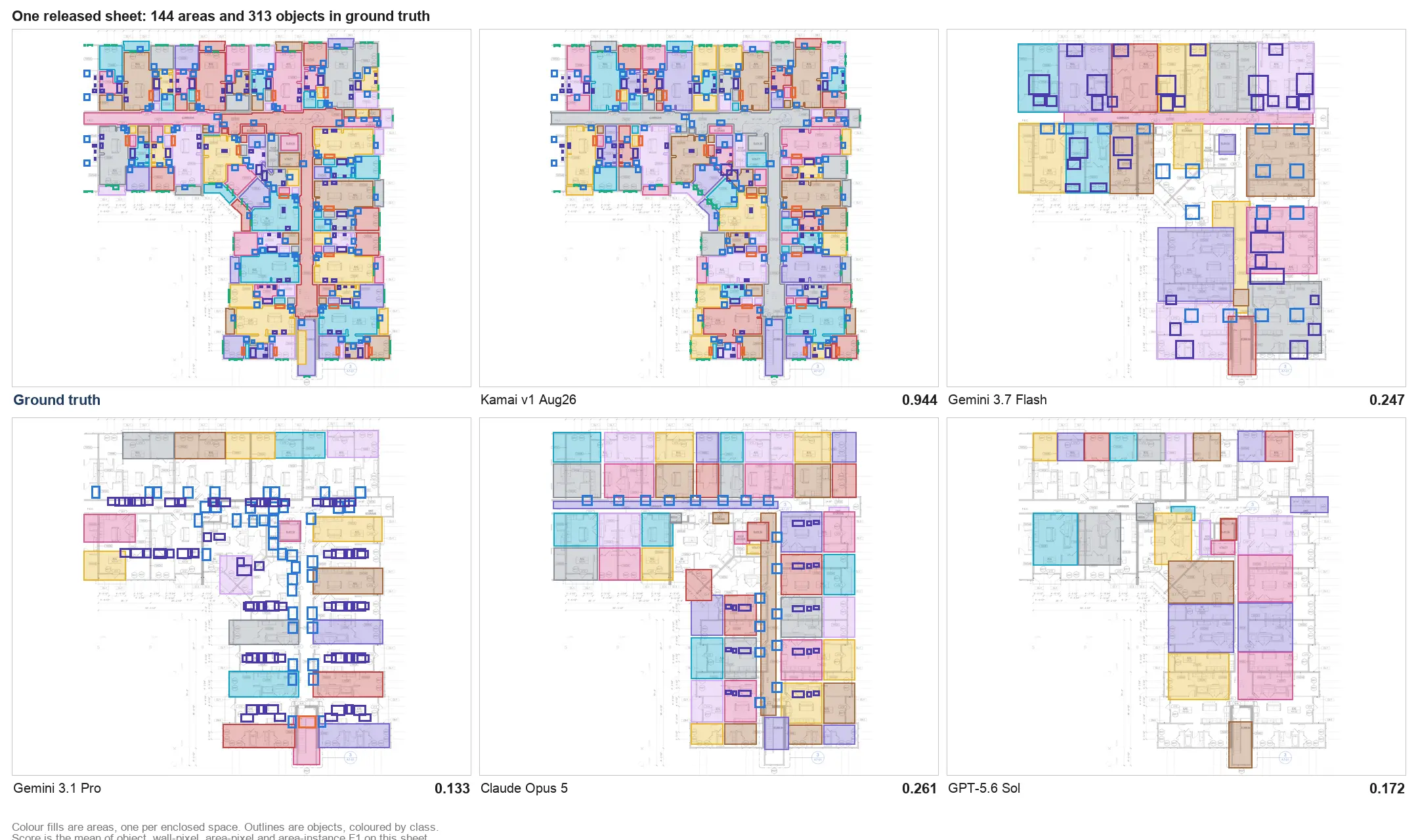
Kamai removes most of the manual work sitting between measurement and pricing. After reading the drawings, it produces structured quantity data that is already organized, typed, and ready for estimating. The workflow is straightforward:
- Upload the drawing set.
- Kamai extracts quantities directly from the plans.
- Structured data exports through integrations, files, or the API.
- Pricing gets applied inside your estimating platform of choice.
- Every quantity stays traceable back to the original drawing.
Because the quantities remain connected to their source sheets, you can verify any measurement against the drawing it came from at any point in the process. Kamai focuses on delivering clean quantity data, not on replacing the estimating software you already run. Its output is structured schedules, bills of materials, assembly-ready quantities, and complete audit trails linked to the source drawings, so you keep your pricing, assemblies, and markup exactly where they are.
Why accurate takeoffs make better estimates
A strong estimate starts with reliable measurements. When the quantities are incomplete or wrong, the pricing is unreliable no matter how experienced the estimator is. By automating the extraction and keeping every number traceable to the drawing, Kamai lowers estimating risk and frees the estimator to spend time on pricing strategy and bid quality instead of transferring numbers between screens.
The same structured pipeline runs across electrical, plumbing, concrete, framing, structural, mechanical, and interior finishes, so the workflow stays consistent no matter what trade the project calls for.
The short version
Takeoffs and estimating work together, but they are not the same job. The takeoff measures the work. The estimate prices the measured work. Both are required to produce a profitable bid, and both are easier when the quantities are structured, traceable, and moved between the two steps without being retyped by hand.
Frequently Asked Questions
What is the difference between a takeoff and an estimate?
A takeoff measures project quantities such as areas, lengths, counts, and volumes. An estimate applies material prices, labor, equipment, overhead, and profit to those quantities to calculate the total project cost.
Which comes first, the takeoff or the estimate?
The takeoff always comes first. You need accurate quantities before you can price them and prepare a bid.
Can the same takeoff produce different estimates?
Yes. Different contractors can use the same quantities but apply different supplier pricing, labor rates, overhead, and margins, which produces different estimates from an identical takeoff.
How does Kamai improve the estimating process?
Kamai extracts structured quantities from the drawings and prepares them for estimating software, cutting out manual data entry and keeping every quantity traceable back to the original plans.
Does Kamai do the pricing?
No. Kamai focuses on quantity extraction and structured takeoffs. You apply your own pricing, assemblies, labor rates, and markup inside your preferred estimating software.
Get the next post in your inbox.
Low frequency. High signal.